
Thai Massage at Home in Dubai: Stretching, Pressure and What to Wear
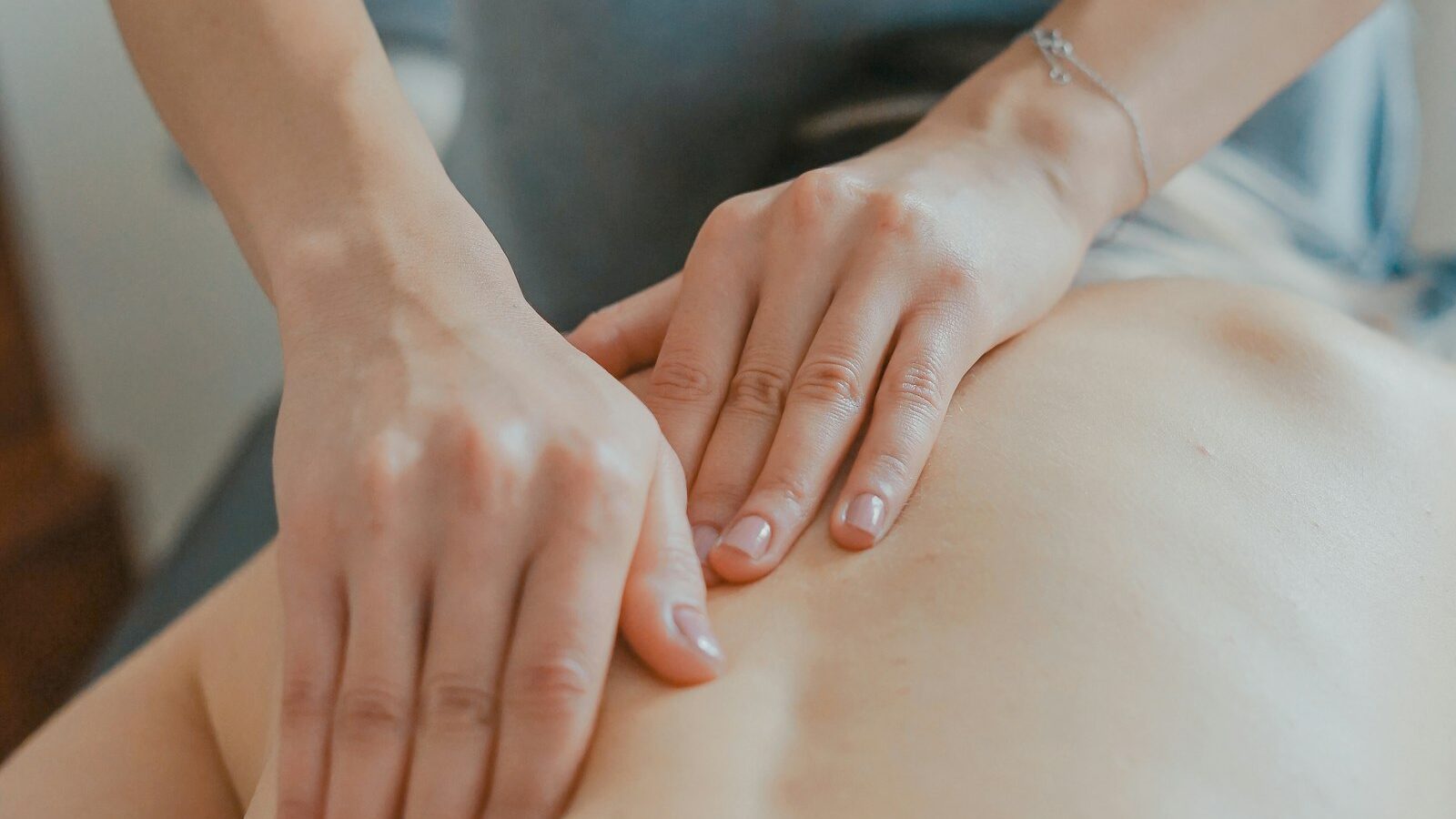
Thai massage surprises almost everyone the first time. There is no oil, you keep your clothes on, and at some point your therapist will probably be gently pulling your arms while their feet rest against your back. It is sometimes called “lazy yoga,” because you get the benefits of a deep stretch without doing any of the work.
It is one of the most effective treatments for stiffness and one of the most energising. People usually come away feeling taller, looser and more awake rather than sleepy. This guide explains what Thai massage is, who it suits, what to wear, and how a session works at home.
Where Thai massage comes from
Traditional Thai massage, known in Thailand as nuad thai, has roots going back centuries. It draws on influences from Indian yoga and Ayurveda, Chinese medicine and Buddhist practice, and was traditionally taught in temples. In 2019 it was recognised by UNESCO as part of the world’s intangible cultural heritage.
The traditional theory describes energy lines running through the body, called sen. Therapists press along these lines and move the body through a sequence of stretches. You do not need to subscribe to the theory to feel the effects. The physical combination of rhythmic pressure and assisted stretching is what most clients notice.
How Thai massage is different
- No oil. The therapist works through your clothes using their palms, thumbs, forearms, knees and feet.
- You stay dressed. Loose, comfortable clothing is essential.
- It is active. Your therapist moves you through stretches, twists and gentle rocking movements.
- It can be done on a mat or a bed. Traditionally it is done on a floor mat, which gives the therapist more leverage. At home, many providers use a mat or adapt the sequence to a massage bed.
Benefits of Thai massage
Improved flexibility
Because it combines pressure with assisted stretching, Thai massage helps muscles lengthen in a way that is hard to achieve on your own. Hamstrings, hips and shoulders often feel noticeably more open afterwards.
Relief from stiffness
If you spend your day sitting, your hips and lower back can feel locked by the evening. Thai massage works directly on these patterns. Many desk workers prefer it to oil massage for exactly this reason.
More energy
Unlike most massage, which leaves people drowsy, Thai massage often leaves people feeling alert and refreshed. It is a good choice before a busy evening or after a long flight when you want to feel human again without falling asleep.
Stress relief
The slow, rhythmic rocking and pressure have a calming effect, even though the session is active. Many people find it easier to switch off when their body is being moved rather than simply lying still.
A good complement to training
Runners, cyclists, climbers and yoga practitioners often book Thai massage to improve mobility. It works well alongside sports massage in a recovery routine.
What to wear
This matters more than with any other treatment. Choose something:
- Loose and stretchy, like yoga trousers, track pants or soft shorts
- Not too thin, since you will be moved into various positions
- Without zips, belts or buttons that might press into you
- Breathable, ideally cotton or a soft technical fabric
Remove jewellery and watches before the session. Socks are optional.
Does Thai massage hurt?
It can be firm, and some stretches will feel intense if you are stiff. It should never be painful. A good therapist watches your breathing and body language and eases off when they sense resistance. Tell them right away if anything feels sharp, pinches or makes you hold your breath.
Be honest about your flexibility. There is nothing to prove, and a stretch held at the right level for you is far more effective than one pushed too far.
Who should take care
Thai massage involves stretching and joint movement, so it is worth mentioning any of the following before you begin:
- Recent injuries, surgery or joint replacements
- Back problems, including disc issues
- Osteoporosis or low bone density
- High blood pressure or a heart condition
- Pregnancy. Traditional Thai massage is generally not recommended during pregnancy. Our pre-natal massage is designed for it.
- Hypermobility. If your joints are very flexible, stretches may need to be gentler.
What happens during a home Thai session
Your therapist will set up a mat or bed and ask about your flexibility, any injuries, and what you want to focus on. Most sessions start with you lying on your back while the therapist works on the feet and legs, using palm and thumb pressure along the muscles, followed by stretches for the hamstrings, hips and calves.
They then work through the abdomen gently, the arms and hands, and the shoulders. You may be turned onto your side and then your front for work on the back and hips. Many sessions end in a seated position with stretches for the neck and shoulders and a gentle twist through the spine.
The pace is unhurried. You do not need to help with any of the movements. Just let your body be moved and breathe out as each stretch deepens.
For a first session, 90 minutes allows the full traditional sequence without rushing. A 60-minute session is ideal when you want to focus on particular areas such as the hips and lower back.
Space you need at home
Thai massage needs a bit more room than other treatments, especially on a floor mat. A clear space of around two and a half by two and a half metres is comfortable. Move coffee tables and floor lamps out of the way, and make sure the floor is clean and level. A bedroom or living room with the furniture pushed back usually works perfectly.
Aftercare
- Drink water and have a light snack if you feel hungry.
- Stay gently active. A short walk helps the effects last.
- Repeat a few of the stretches the next day if your therapist suggests some.
- Expect mild soreness in muscles that were stretched further than usual. It should pass within a day.
Thai massage for desk workers and drivers
Thai massage is particularly effective for the kind of stiffness that comes from sitting. When you spend most of the day in a chair or behind the wheel, the hip flexors at the front of the hips shorten, the hamstrings tighten and the upper back rounds forward. An oil massage can relieve the tension in these areas, but Thai massage goes a step further by actively lengthening them. Many clients who sit for work tell us that a Thai session is the only time all month that their hips feel genuinely open.
If you drive a lot in Dubai, mention it to your therapist. Long drives on Sheikh Zayed Road or Emirates Road tend to create tension in the right leg, the lower back and the shoulders, and your therapist can spend extra time on those patterns.
Thai massage and breathing
Breathing plays a bigger role in Thai massage than in most other treatments. Your therapist will often time a stretch with your exhale, deepening it slightly as you breathe out and easing as you breathe in. You can help by keeping your breathing slow and steady. If you notice yourself holding your breath, that is usually a sign the stretch has gone a little too far. Let your therapist know and they will ease off.
Building flexibility over time
One session will leave you feeling looser, but flexibility builds with repetition. Clients who book Thai massage every week or two often find their range of movement steadily improves over a couple of months, especially if they add a few minutes of gentle stretching at home. Ask your therapist to show you two or three stretches that suit your body. Practised for five minutes each evening, they help the benefits of each session last much longer.
Thai massage also pairs well with other treatments in a regular routine. Many clients alternate it with an oil-based massage, using Thai sessions for mobility and oil sessions for deeper muscle work or pure relaxation.
Frequently asked questions
Is Thai massage good for back pain?
For general stiffness and muscular tension in the back, many people find it very helpful. If your back pain is recent, severe, or comes with numbness or pain down the leg, see a doctor first.
Can I have Thai massage with oil?
Some providers offer a Thai-oil hybrid. If you like the stretching but prefer the feel of oil, our Balinese massage combines oil with acupressure and gentle stretches.
How often should I have Thai massage?
For flexibility goals, every one to two weeks works well. For general wellbeing, once a month is common.
Can I eat before?
Leave at least an hour after a full meal, since some stretches involve the abdomen.
Used to Dubai’s heat and thinking about a move? This guide to moving to Austin covers another hot city, and the US city cost comparison tool helps you weigh up the options.
Book Thai massage at home in Dubai
Thai massage is 350 AED for 60 minutes and 450 AED for 90 minutes, with a certified therapist and all equipment brought to your door. Have a look at the full treatment menu or book on WhatsApp. Let us know if you have an injury or would prefer to be treated on a bed rather than a mat.