
Balinese Massage: A Complete Guide to Technique, Benefits and Your First Session
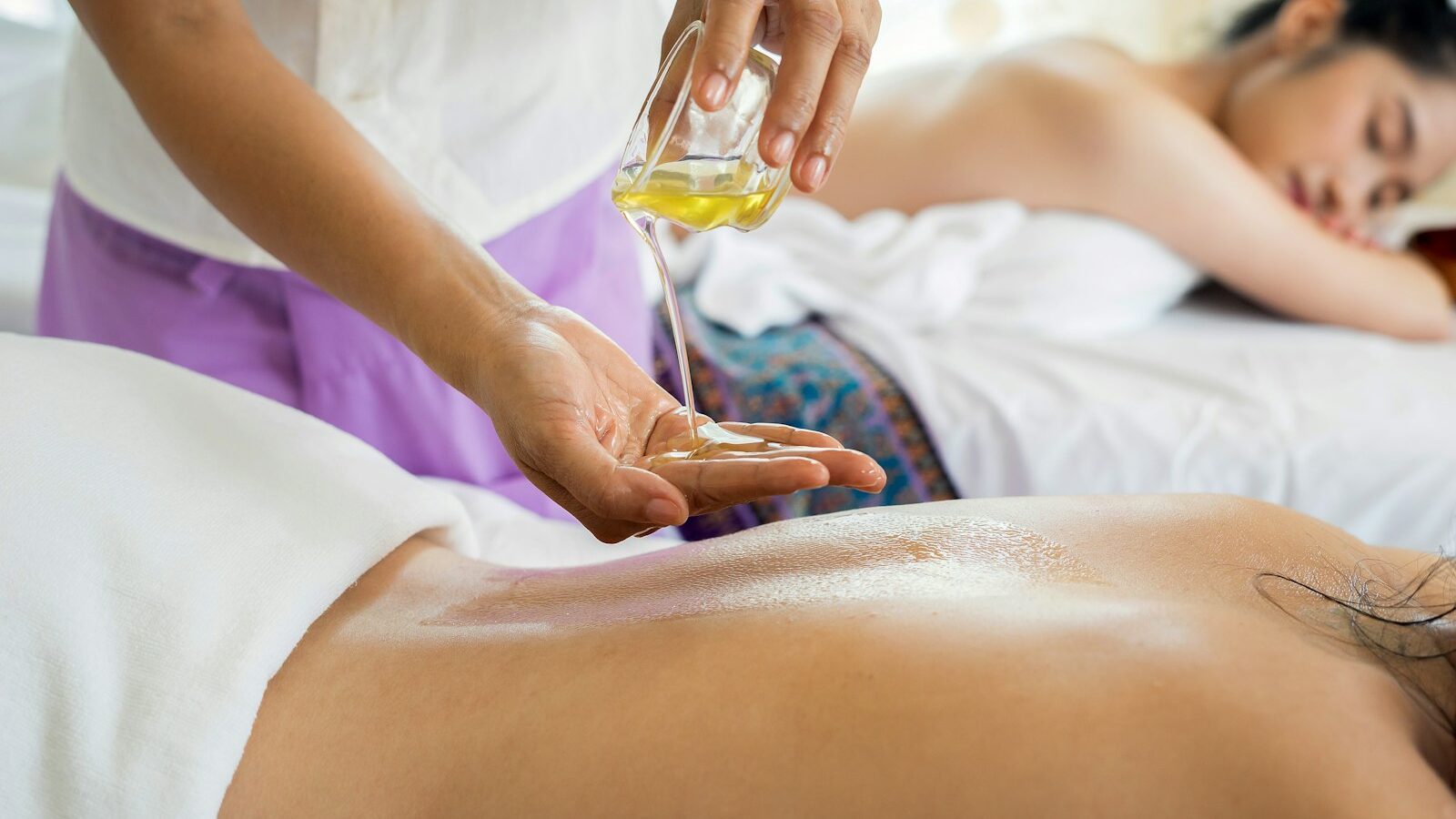
When someone tells us they have never had a professional massage and do not know what to book, we usually suggest Balinese. It is relaxing without being too light, firm enough to work on tension without being intense, and it includes a little of everything: long oil strokes, acupressure and gentle stretching. For many people it is the treatment that makes them understand why others book massage regularly.
This guide explains where Balinese massage comes from, the techniques involved, who it suits and what to expect from a session at home.
The origins of Balinese massage
Balinese massage comes from the Indonesian island of Bali, where massage has long been part of everyday life and traditional healing. It developed from a mix of influences, including Indian Ayurvedic practice, Chinese acupressure and local Indonesian traditions, many of which are tied to the use of aromatic oils and herbs grown on the island.
On Bali, massage is not seen as a luxury. It is something families do for each other and something people use to recover after physical work. That practical, caring spirit is still at the heart of the treatment.
What makes it different
Balinese massage is best described as a blend. In a single session your therapist will use:
- Long, flowing oil strokes that warm the muscles and help the body relax
- Acupressure, applying steady pressure with the thumbs or palms to specific points
- Kneading and rolling to work through tension in larger muscles
- Gentle stretches, especially for the arms, legs and back
- Skin rolling and palm pressure along the back
The pressure is usually medium, firmer than a classic relaxation massage but softer than deep tissue. The pace is slow and rhythmic, with one technique flowing into the next.
Benefits of Balinese massage
Deep relaxation with real muscle work
Some relaxation massages are lovely but leave knots untouched. Some firm massages work the knots but are hard to relax into. Balinese massage sits between them, so you get both rest and genuine relief.
Relief from everyday tension
Acupressure and kneading are well suited to the tension most people carry: tight shoulders, a stiff neck, a sore lower back. The flowing strokes in between give the body time to settle so that tense areas let go more easily.
Gentle stretching
The stretches are far gentler than in Thai massage, but they still help you feel looser, especially through the shoulders and hips.
Better circulation and warmth
The combination of strokes and pressure increases blood flow to the skin and muscles. Most people feel pleasantly warm and relaxed afterwards.
Calmer mind
The steady rhythm of a Balinese massage encourages slower breathing. Many clients describe feeling clear-headed and calm for the rest of the day, and sleeping well that night.
Who Balinese massage is for
- First-timers who want a balanced introduction to massage
- Anyone stressed or tired who also has some physical tension
- People who find deep tissue too intense but relaxation massage too light
- Couples booking side-by-side treatments, since the moderate pressure suits most people
- Regular massage clients wanting a reliable, all-round treatment
Who should take care
Balinese massage is suitable for most people. Tell your therapist if you:
- Are pregnant. A pre-natal massage is designed for pregnancy.
- Have recent injuries, surgery or inflammation
- Have skin conditions, sunburn or allergies to nut oils or fragrances
- Have blood clotting problems or take blood thinners
- Have any heart condition or high blood pressure
What happens during a home Balinese session
Your therapist sets up the bed, linens and lighting, and chooses a suitable oil. Before starting, they ask about the areas you would like them to focus on, your preferred pressure and any health considerations. If you have a preferred scent or are sensitive to fragrance, this is the moment to say so.
Most sessions begin with you face down. The therapist warms the back with long strokes before working through the shoulders and neck with acupressure and kneading. The legs follow, often with gentle stretches. You then turn over for work on the front of the legs, arms, hands, shoulders and sometimes the scalp.
The flow from one area to the next is smooth and unhurried. You are covered throughout, with only the area being worked uncovered.
Sixty minutes covers a full-body treatment at a comfortable pace. Ninety minutes allows more time on the back and shoulders and is ideal if you want both deep relaxation and focused relief.
Choosing the right pressure
Balinese massage is typically medium pressure, but it is easy to adjust. If you want more work on a tight area, ask. If anything is too firm, say so. Therapists value feedback, and small adjustments make a big difference to how much you get from the session.
Aftercare
- Drink water and have a light meal if you feel hungry.
- Leave the oil on for a while if you like. It is nourishing for the skin. Shower whenever you are ready.
- Take it easy. Enjoy the calm rather than rushing back into a busy evening.
- Notice how you sleep. Many people find they sleep more deeply after a Balinese massage.
Balinese vs. other treatments
Balinese vs. relaxation massage
Relaxation massage is lighter and purely soothing. Balinese includes acupressure and stretches, so it does more for physical tension.
Balinese vs. deep tissue
Deep tissue is slower, firmer and focused on stubborn areas. Balinese is a full-body, medium-pressure treatment that balances relaxation and relief.
Balinese vs. hot stone
Both are relaxing. Hot stone massage uses heat to soften tension, while Balinese uses acupressure and stretches. If you feel cold or very stiff, try hot stones. If you want a more varied treatment, choose Balinese.
The role of oils in Balinese massage
Oil is an important part of a Balinese massage. It allows the therapist’s hands to glide smoothly over the skin, which makes the long, flowing strokes possible, and it leaves your skin soft and nourished afterwards. Traditionally, Balinese therapists used oils infused with local ingredients such as frangipani, lemongrass, ginger and coconut. Today most therapists use a light, high-quality carrier oil, sometimes with a gentle natural scent.
If you have sensitive skin or allergies, tell your therapist before the session. Nut-based oils such as almond are common in massage, so anyone with a nut allergy should always mention it. You can also ask for an unscented oil if strong fragrances give you a headache, which is more common than many people realise.
Acupressure: what it is and what it feels like
Acupressure is the application of steady pressure to specific points on the body, usually with the thumbs or palms. In Balinese massage it is woven into the flowing strokes rather than done as a separate technique. You will feel your therapist pause on certain spots, often along the sides of the spine, around the shoulder blades, in the hips and on the soles of the feet, and apply firm, steady pressure for a few seconds before moving on.
Some points feel tender, especially where you carry tension. The sensation should be a deep, satisfying ache that eases as the pressure is held, rather than a sharp pain. Breathing slowly while your therapist holds a point helps the area release.
Why Balinese massage suits Dubai life
Many of our clients describe their weeks in the same way: long working days, a lot of time in the car, a busy social life and not much rest. They want a treatment that does two things at once, releasing the physical tension of a demanding week while also giving them an hour of genuine calm. Balinese massage does exactly that. It is firm enough to work on tight shoulders and a stiff back, but it never asks you to brace yourself, so you finish feeling both looser and more rested.
It is also a forgiving treatment for people who are not sure what pressure they like. Because it moves between gentle strokes and firmer acupressure, your therapist can quickly find the right balance for you and adjust as the session goes on.
For couples, Balinese massage is often the easiest treatment to agree on. Its medium pressure suits most people, and both partners finish relaxed at the same time. See our guide to couples massage at home for planning tips.
Frequently asked questions
Is Balinese massage good for a first massage?
Yes. It is our most common recommendation for first-time clients.
Which oils are used?
Usually a light carrier oil, sometimes with a gentle aroma. Tell us about any allergies or scent preferences when you book.
Can I ask for firmer pressure?
Of course. Your therapist will adjust throughout the session.
How often should I book?
Every two to four weeks is a popular rhythm for maintaining the benefits. Our massage packages make regular sessions more affordable.
Love a warm, relaxed pace of life? This guide to living in Florida and another on moving to Miami describe two of the closest US equivalents to Dubai’s lifestyle.
Book a Balinese massage at home in Dubai
Balinese massage is 350 AED for 60 minutes and 450 AED for 90 minutes. Your therapist brings everything to your home, villa or hotel room anywhere in Dubai. Browse the treatment menu or book on WhatsApp.