
Sports Massage in Dubai: Recovery for Runners, Gym-Goers and Padel Players
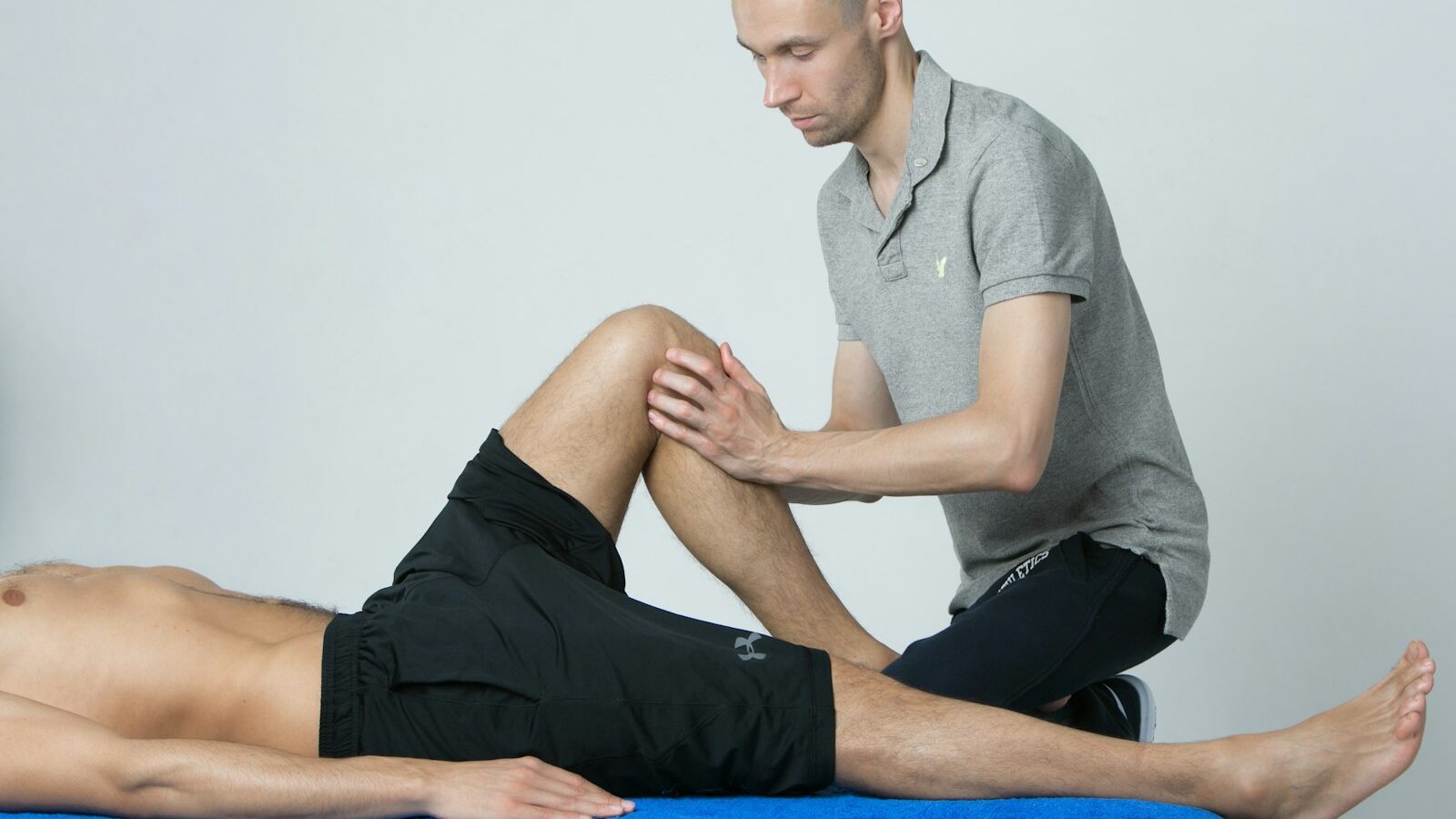
Dubai has become one of the most active cities in the region. Early-morning runs along the Marina, strength sessions in packed gyms, padel courts booked until late, cycling loops at Al Qudra, triathlons and marathons through the winter. All that training is good for you. It also adds up, especially in the heat.
Sports massage is one of the most practical tools for staying on top of it. It is not just a firm massage. It is a targeted treatment designed around how you train and what you are training for. This guide explains how it works, when to book it, and how different athletes in Dubai tend to use it.
What is sports massage?
Sports massage is a focused treatment that uses a mix of techniques to prepare muscles for activity, help them recover afterwards, and manage the tightness that builds up with regular training. A session typically combines:
- Compression and kneading to warm and work large muscle groups
- Stripping strokes along the length of the muscle to release tight bands
- Cross-fibre friction on specific spots that feel restricted
- Trigger point work on tender knots that refer sensation elsewhere
- Assisted stretching to improve range of movement
The therapist focuses on the muscles you use most rather than spending equal time on the whole body.
What sports massage can help with
Recovering from hard sessions
Muscles feel tight and heavy after intense training. Many athletes find that sports massage reduces that feeling and helps them return to training sooner. Research on massage and recovery suggests it can reduce the perception of muscle soreness after exercise, which is the effect most people notice.
Managing tightness from repetitive training
Running the same routes, lifting the same patterns or playing the same shots creates predictable areas of tension. Regular sports massage keeps those areas from becoming chronically tight.
Improving range of movement
Assisted stretching and targeted work can help you move better, whether that is a deeper squat, a longer running stride or a freer overhead reach.
Spotting problems early
A good sports therapist often notices areas that feel unusually tight or sensitive before they turn into a problem. They are not a substitute for a physiotherapist, but they can tell you when it might be worth seeing one.
Sports massage for different athletes in Dubai
Runners
The calves, hamstrings, glutes, hip flexors and the iliotibial band area along the outside of the thigh tend to take the most load. Many runners book a session every one to two weeks during marathon training and in the days after a long run or race.
Gym-goers and lifters
Lifting heavy creates tension in the back, glutes, quads, chest and shoulders. Sports massage can help with stiffness after leg days and tightness through the upper back from pressing and pulling.
Padel and tennis players
Padel has exploded in Dubai. The quick lateral movements and repeated overhead shots load the shoulders, forearms, lower back, calves and knees. Players often find regular work on the shoulder and forearm helps them stay comfortable through a busy playing week.
Cyclists
Long rides tighten the quads, hip flexors, lower back and neck. Sports massage after big weekend rides is a popular routine for Al Qudra regulars.
CrossFit and functional training
High-volume, varied training loads almost every muscle group. Sessions often focus on the shoulders, hips and back.
When to book: before, after or in between
Before an event
A pre-event massage should be lighter and quicker, focusing on warming the muscles rather than deep work. Book it one to two days before a race or match, not on the morning. Avoid trying a new type of massage right before a big event.
After an event
Wait at least a few hours, ideally until the next day, after a race or very hard session. Immediately afterwards, muscles are inflamed and sensitive, so a light flushing massage is better than deep work. For a full recovery session, 24 to 48 hours later is ideal.
During training blocks
This is where sports massage is most useful. Regular sessions every one to two weeks help manage the cumulative tightness of training. Schedule them on rest days or easy days rather than before key sessions.
Training in Dubai’s heat
Training in high temperatures adds an extra layer of stress. Dehydration makes muscles more prone to cramping and tightness, and heavy sweating can leave you feeling depleted. A few tips:
- Rehydrate properly before a sports massage. Muscles respond better when you are well hydrated.
- Avoid booking straight after a hot outdoor session. Cool down, shower and drink first.
- Expect to feel more tired than usual after a session in the summer. Plan an easy evening.
We wrote more about this in our article on recovery during the Dubai summer.
Does sports massage hurt?
It can be firm and some spots will feel tender, especially in areas you train hard. It should be a “good” discomfort that you can breathe through. If you are tensing up, the pressure is too high. Tell your therapist, who will adjust.
Some mild soreness the next day is common after a thorough session. It usually passes within 24 to 48 hours.
Sports massage vs. deep tissue
Both are firm, but sports massage is more targeted, often faster, and includes stretching. Deep tissue is slower and better for long-term tension unrelated to training. If you are training for something specific, choose sports massage. If you are carrying general stress and tightness, deep tissue may suit you better.
When to see a professional instead
Sports massage is great for general recovery and tightness. It is not the right treatment for injuries. See a doctor or physiotherapist if you have:
- Sudden, sharp pain during activity
- Swelling, bruising or a visible change in an area
- Pain that gets worse instead of better over several days
- Numbness, tingling or weakness
- Pain in a joint rather than a muscle
Why home sessions suit athletes
After a heavy training block or a race, the last thing you want is to drive across the city for a treatment. At home, you can book on a rest day, stretch out on the sofa afterwards and get an early night. It also makes regular sessions realistic, which is where most of the benefit comes from. Five- and ten-session packages work well for training blocks.
Self-care between sports massage sessions
Sports massage works best as part of a wider recovery routine. What you do between sessions affects how much each massage can achieve. A few habits make a real difference for most athletes.
- Sleep. Most muscle repair happens during sleep. Seven to nine hours a night does more for recovery than any treatment.
- Foam rolling. Five to ten minutes on the calves, quads, glutes and upper back after training helps maintain the work your therapist has done.
- Mobility work. Gentle hip, ankle and thoracic spine mobility exercises keep you moving well.
- Hydration and electrolytes. In the Dubai heat, replacing fluids and salts after training is essential.
- Protein and carbohydrates. Eating enough after training supports muscle repair and refuels your energy stores.
- Easy days. Not every session should be hard. Planned easy days let your body adapt.
Planning sports massage around a race
If you are training for the Dubai Marathon, a triathlon or another winter event, here is a simple timeline many athletes follow:
- Training block: a session every one to two weeks, scheduled on rest or easy days.
- Peak week: one session to manage the highest training load.
- Taper: a lighter session five to seven days before the event.
- Two days before: a short, light, pre-event massage if you are used to them. Avoid anything new.
- Two to three days after: a recovery session once the initial soreness has eased.
A ten-session package covers this kind of plan comfortably and brings the price per session down.
What your therapist will ask
Before a sports massage, expect questions about your training: what you do, how often, what your next event is, and when your last hard session was. Your therapist will also ask about any old injuries, areas that regularly feel tight, and whether anything currently hurts during activity. The more detail you give, the more precisely they can target the session.
Frequently asked questions
How long should a sports massage be?
Sixty minutes is enough for a focused session on one or two areas. Ninety minutes allows a more complete recovery treatment.
Should I train after a sports massage?
Easy activity is fine. Avoid intense sessions for 24 hours.
Can I get a sports massage if I do not do sport?
Yes, although deep tissue may be a better fit for general tension.
What should I wear?
You will usually be on a massage bed under a towel, just as with any oil massage. Shorts are fine if you prefer.
Runners heading to the US will find plenty of company in New York. This guide to moving to New York City and an overview of its fast-paced lifestyle cover what to expect.
Book a sports massage at home in Dubai
Sports massage is 350 AED for 60 minutes and 450 AED for 90 minutes, delivered at your home anywhere in Dubai. Browse the treatment menu or book on WhatsApp. Tell us what you train for and where it feels tight.