Relaxation Massage in Dubai: What It Is, Who It Helps and How to Get the Most From It
Ask people to picture a massage and most will imagine the same scene: a quiet room, low light, warm oil, long, slow strokes down the back and a growing sense that nothing else matters for an hour. That is a relaxation massage. It is the oldest idea on any spa menu and, for all the newer treatments that have appeared since, it is still the one many people need most.
Relaxation massage is sometimes dismissed as the “basic” option, the one you book when you do not know what else to choose. That undersells it. A well-delivered relaxation massage is a skilled treatment with a clear purpose: to bring your nervous system out of its busy, alert state and let your body rest properly. In a city that runs as fast as Dubai, that purpose matters. This guide explains how the treatment works, who it suits, how to choose the right pressure and length, and how to make the most of a session at home.
What is a relaxation massage?
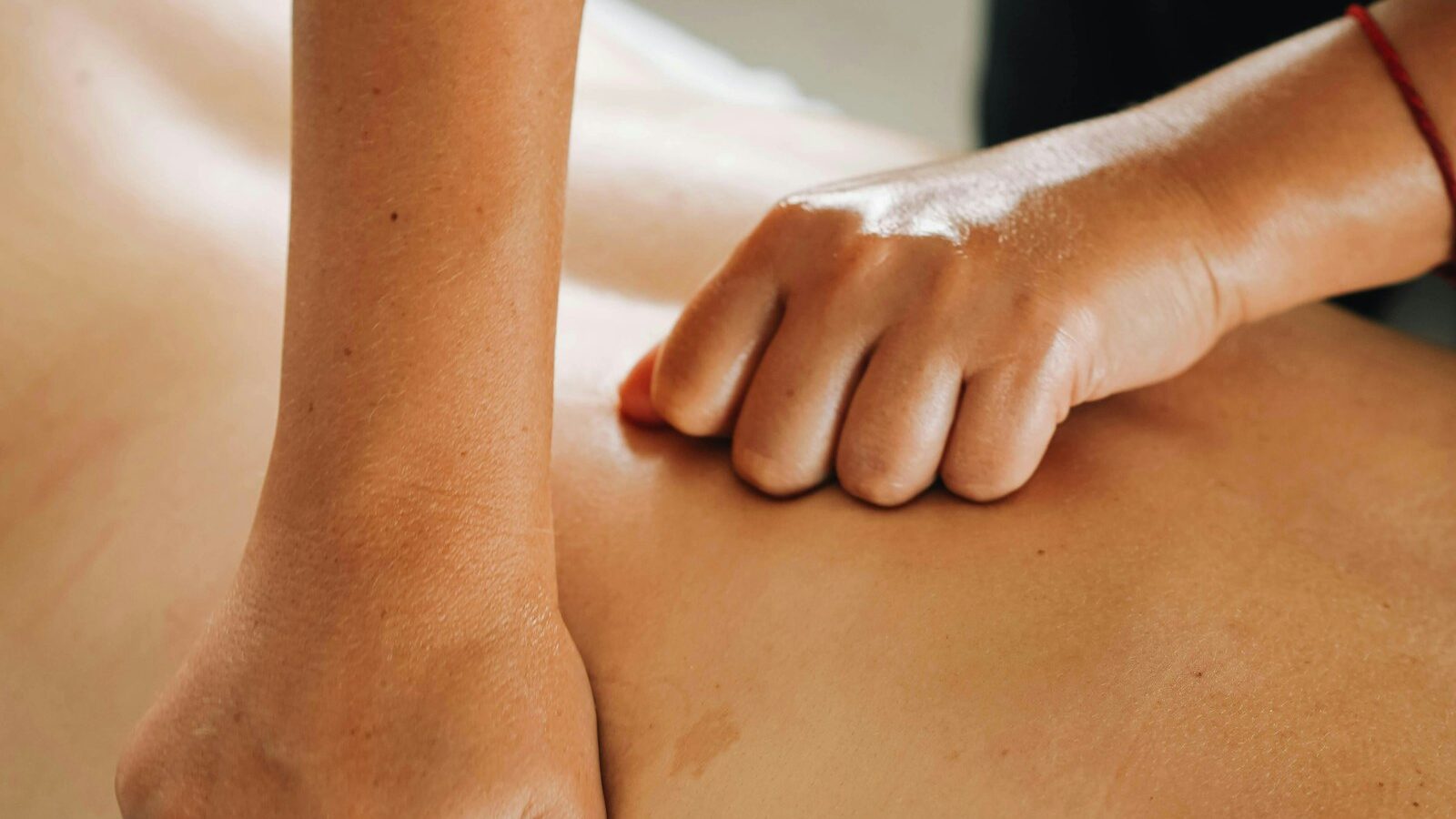
A relaxation massage is a full-body treatment built around long, flowing strokes, gentle kneading and a slow, even rhythm. Most relaxation massage is based on the Swedish technique, developed in Europe in the nineteenth century and now the foundation of most Western massage training. The main strokes have names you may hear your therapist use:
- Effleurage: long, gliding strokes with the palms, used to warm the muscles and spread the oil. They open and close the session and link every section in between.
- Petrissage: kneading, lifting and gently squeezing the muscles, particularly in the shoulders, back and legs.
- Friction: small circular movements with the thumbs or fingertips on areas that feel tight.
- Tapotement: light rhythmic tapping. In a relaxation massage this is used sparingly, if at all, because it is more stimulating than calming.
The therapist moves through the body in a set order, usually starting with the back, then the backs of the legs, before you turn over for the fronts of the legs, arms, shoulders, neck and sometimes the scalp. The pressure is light to medium, the pace is unhurried, and the strokes connect so smoothly that many people lose track of where the therapist is working.
How it differs from other massages
The difference is in the intention. A deep tissue massage aims to release specific, stubborn knots. A sports massage targets the muscles you train. Lymphatic drainage moves fluid. A relaxation massage aims at the whole person: slower breathing, a calmer mind, muscles that soften because they no longer feel the need to stay braced.
That does not mean it ignores tension. Your therapist will still spend extra time on tight shoulders or a stiff lower back. They simply do it within a calm rhythm and at a pressure that keeps you relaxed rather than bracing.
The benefits people notice
Lower stress
This is the main reason people book. Research on massage consistently finds that people feel less stressed and anxious after a session, and many describe the effect lasting well into the following day. Slow, rhythmic touch encourages the body to move out of its “fight or flight” mode and into the “rest and digest” state, where the heart rate slows and breathing deepens. You can often feel the change within the first ten minutes.
Better sleep
Many clients sleep noticeably better on the night of a relaxation massage. A calmer mind and looser body both make it easier to fall asleep and stay asleep. If sleep is your main goal, our guide to massage for stress and sleep explains how to time your session.
Relief from everyday tension
Most of us carry low-level tension all the time: shoulders slightly raised, jaw slightly clenched, lower back slightly tight. We stop noticing it until it is gone. A relaxation massage gently works through all of it, which is why people often stand up afterwards and realise how tense they had been.
A break from screens
For many people in Dubai, a massage is the only hour of the week without a phone, a laptop or a notification. That alone is restorative.
Feeling cared for
It is easy to forget how much we benefit from caring, attentive touch, especially if you live alone or far from family. A relaxation massage provides that in a professional, comfortable setting.
Who relaxation massage is for
- First-timers who want a gentle, comfortable introduction to massage
- Anyone stressed, tired or running on empty
- People who sleep badly
- Older clients or anyone who prefers lighter pressure
- Regular clients who alternate firmer treatments with a calmer session
- People recovering from a demanding period, such as a big project, exams, a move or a family event
It is also a good choice when you are not sure what you need. If you are exhausted but nothing specific hurts, a relaxation massage is almost always the right call.
When to choose something else
If you have one very specific problem, such as a knot under your shoulder blade that has been there for months, deep tissue may get you there faster. If you want to feel more flexible, Thai massage is better. If you are pregnant, book a pre-natal massage, which uses positioning and techniques designed for pregnancy. If you want relaxation with a little more depth, Balinese massage or hot stone sit nicely between relaxation and firmer work.
Tell your therapist about any health conditions before the session. Relaxation massage is suitable for most people, but recent surgery, blood clots, skin conditions, heart conditions and some medications can mean adjusting the treatment.
Choosing the right pressure
A relaxation massage is usually light to medium pressure, but “light” means different things to different people. Some like a touch so gentle it is almost a stroke. Others want something closer to medium. The right pressure is the one that lets you breathe slowly and let go. If you notice yourself tensing, it is too firm. If you find yourself wishing the therapist would “really get in there,” ask for more, or consider Balinese massage next time.
Your therapist will ask about pressure before starting and may check in during the first few minutes. Answer honestly. A short “a little firmer” or “perfect” helps them far more than polite silence.
60 or 90 minutes?
Sixty minutes gives a complete full-body relaxation massage at a comfortable pace. It is ideal if you book regularly or have a busy evening. Ninety minutes adds time for the scalp, hands and feet, and for slower, longer work on the back and shoulders. If you rarely book massage, or arrive very stressed, the extra thirty minutes is often where the deepest relaxation happens. Many people say the first half hour is spent arriving and the rest is spent truly resting.
What happens in a home session
Your therapist arrives, sets up the bed, fresh linens, soft lighting and quiet music, and asks a few questions while you finish what you were doing. You will be asked about your health, the pressure you like and any areas to focus on or avoid. You then undress to your comfort level and lie under the sheet while the therapist steps out or turns away.
The session begins with slow strokes over the back to spread the oil and warm the muscles. From there the therapist works through the body in sections, keeping you covered except for the area being treated. You may drift in and out of sleep. That is normal and, honestly, a sign it is working.
When the session ends, the therapist leaves you to rest for a moment before you sit up. Then they pack everything away while you stay exactly where you want to be.
Why home relaxation massage makes sense in Dubai
The whole point of a relaxation massage is to slow down. Driving across the city in traffic, finding parking, rushing to reception and then driving home again works against that from start to finish. At home, the calm you feel at the end of the session is not interrupted. You can go straight to the shower, the sofa or bed. For many clients, this is the single biggest reason they prefer home treatments, and why the effect seems to last longer.
Making the relaxed feeling last
- Keep the evening quiet. Avoid scheduling anything stressful immediately afterwards.
- Drink water and have a light meal.
- Take a warm shower when you are ready, or leave the oil on for a while.
- Stay off your phone for as long as you can.
- Go to bed early. The relaxed state is the perfect foundation for a good night’s sleep.
- Notice the change. Pay attention to how your shoulders sit and how you breathe. Remembering that feeling helps you recognise tension sooner next time.
Small ways to relax between sessions
Massage works best alongside small daily habits. Try three slow breaths whenever you notice your shoulders rising. Take a short walk after lunch. Stretch your neck and shoulders for two minutes before bed. Keep your bedroom cool and dark. None of these replace a massage, but together they keep your baseline calmer, so each session starts from a better place.
How often to book
Once a month is a good rhythm for general wellbeing. During stressful periods, every two weeks can make a real difference to how you cope. Our guide to how often to get a massage goes into more detail, and five- and ten-session packages make a regular routine more affordable.
Planning a move abroad? Settling into a new country is one of the most stressful things people do. This guide to daily life in America and the US city comparison tool can make the planning a little easier.
Frequently asked questions
Is relaxation massage the same as Swedish massage?
Very close. Most relaxation massage uses Swedish techniques at a lighter, slower, calmer pace.
Will a relaxation massage help with knots?
It will ease general tension and soften mild knots. For very stubborn areas, ask for extra time there or consider deep tissue.
Can I fall asleep?
Yes, and many people do. Your therapist will gently let you know when to turn over.
Is it suitable for older parents?
Usually, yes. It is one of the gentlest treatments on our menu. Mention any health conditions when booking.
Can I combine it with reflexology?
Yes. Ask for extra time on the feet, or book a 90-minute session that includes a short reflexology section.
Book a relaxation massage at home
Relaxation massage is 350 AED for 60 minutes and 450 AED for 90 minutes, with a certified therapist, professional bed and fresh linens brought to your home, villa or hotel room anywhere in Dubai. See the treatment menu or book on WhatsApp, and tell us you would like a calm, unhurried session.