
What lymphatic drainage actually does
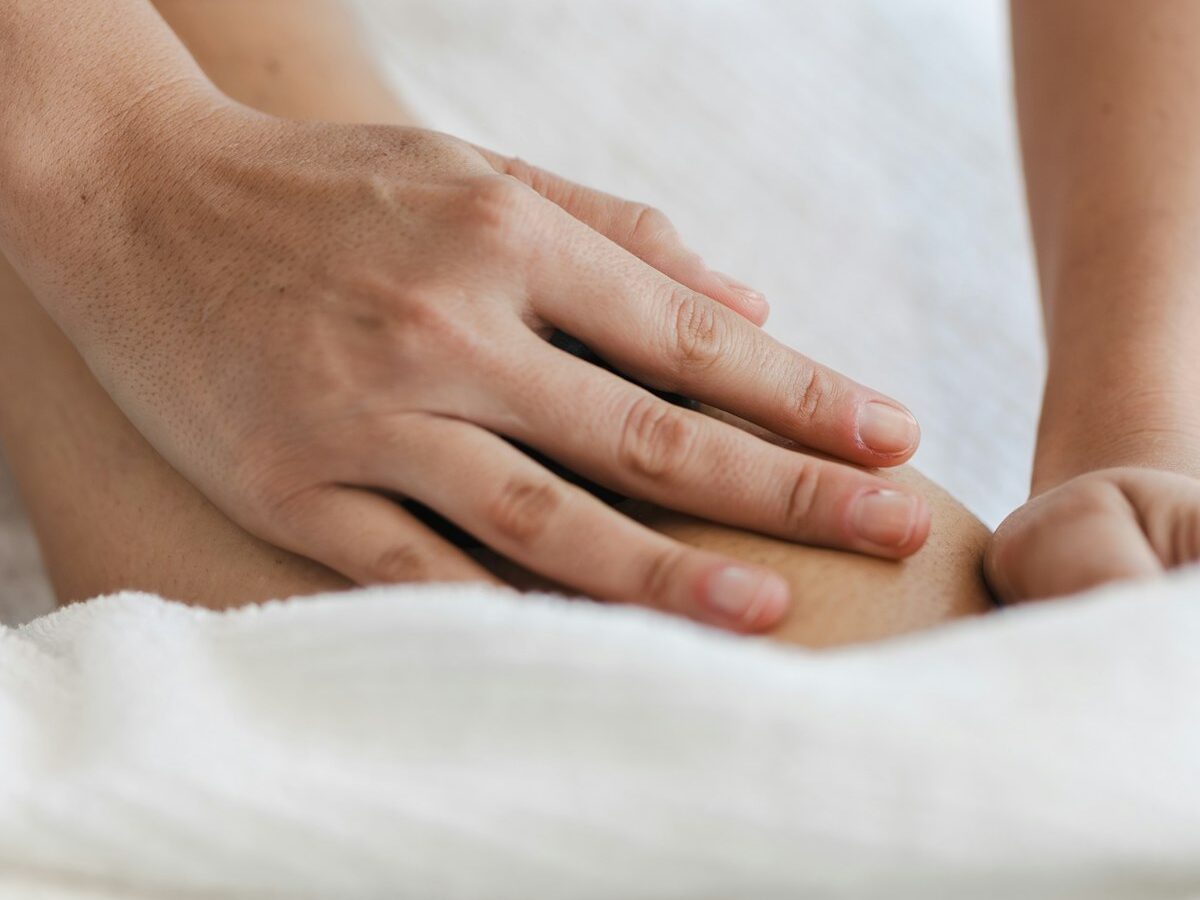
Lymphatic drainage is usually booked for the result rather than the method: less puffiness, a lighter feel through the legs, clearer definition along the jaw and waist. What surprises almost every first-time client is how little force is involved.
The lymphatic system has no pump of its own. Blood has the heart; lymph has only movement, breathing and pressure changes at the surface of the skin. It responds to light, rhythmic strokes directed toward the nodes at the neck, armpits, abdomen and groin. Press harder and you compress the very vessels you are trying to drain.
What a session feels like
Your therapist works in long, repeated sweeps, each one finishing at a cluster of nodes. The pressure is closer to a firm stroke than a massage. Most people find it hypnotic; many fall asleep. You will be asked to drink water afterwards and to expect more frequent trips to the bathroom for the rest of the day. That is the treatment working.
Who it suits
It is particularly effective after long-haul flights, during the later stages of pregnancy, after cosmetic or orthopaedic surgery once cleared by your doctor, and for anyone who holds fluid in the ankles through a Dubai summer. It is not a slimming treatment on its own, and any therapist who sells it as one is overpromising.
Travelling to the US soon? This winter travel checklist and a guide to Thanksgiving travel help you plan the trip.
How often
Expect a course rather than a single appointment. Three to six sessions spaced two or three days apart hold the result far better than one long treatment, after which a monthly session is usually enough to maintain it.